Introduction
The Ghanaian Healthcare Community Leeds (GHCL) is a registered charity dedicated to improving the health and wellbeing of Ghanaian, African and other underserved communities across the city. Guided by the motto “We Care, We Support, We Empower,” GHCL works alongside NHS organisations, local authorities and voluntary sector partners to deliver culturally appropriate health education, screening programmes and community outreach. Since its establishment in 2019, GHCL has become a trusted bridge between healthcare services and diverse communities, helping to reduce health inequalities, promote early diagnosis and improve access to preventative care.
The Ghanaian community in Leeds has long been a vibrant and integral part of the city, and in recent years it has also become a powerful driver of community-led health improvement. GHCL has played a central role in this progress, steadily building trust, visibility and influence by championing culturally rooted approaches to wellbeing. As liver disease emerged as a growing concern across West Yorkshire, GHCL ensured that Ghanaian voices, experiences and needs were not only recognised but actively shaped the response.
Over the past few years, GHCL’s partnership with the West Yorkshire Liver Care Operational Delivery Network (ODN) has evolved into a strong and collaborative relationship grounded in shared purpose. What began as early conversations about improving access to liver health checks has developed into a sustained model of co-designed outreach, peer-led engagement and culturally informed education. Together, GHCL and the ODN have created pathways that meet Ghanaian residents where they are, reduce barriers to early detection and ensure that liver health services feel accessible, trusted and relevant.
This page celebrates that journey, a story of partnership, community leadership and meaningful change for Ghanaian families across Leeds.
Overview
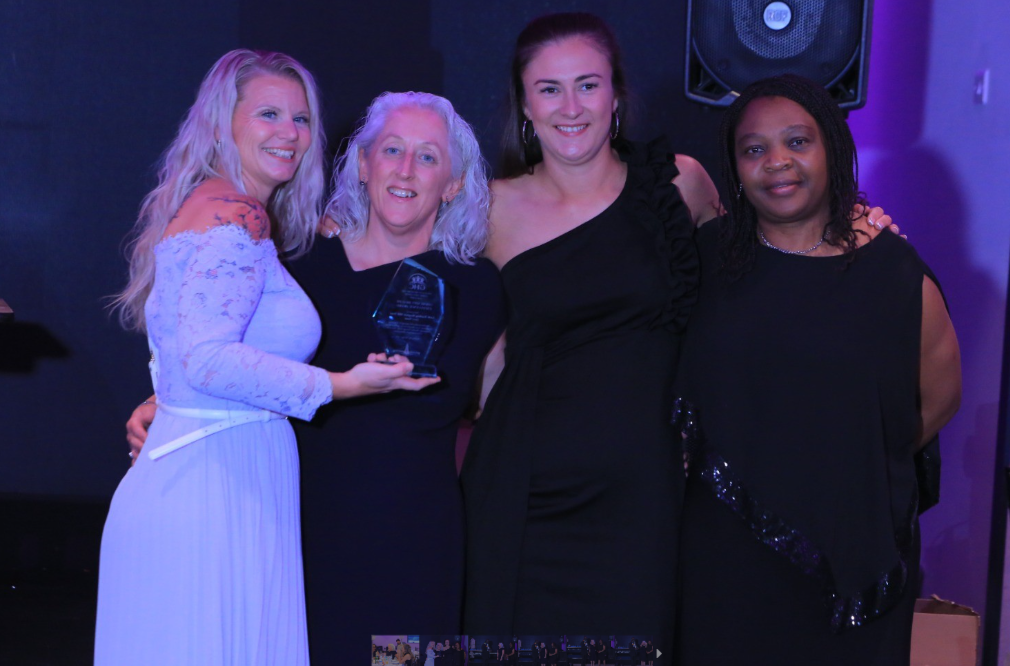
The Ghanaian Healthcare Community Leeds (GHCL) Gala 2026 marked an important milestone for the Ghanaian community in Leeds, celebrating both the organisation’s growing influence and its commitment to improving liver health locally and in Ghana. More than a fundraising event, the Gala honoured individuals and teams whose work has strengthened liver health awareness across Leeds, particularly within communities where early detection and access to care have historically been limited. As organisers reflected,
“This year’s honours highlighted the dedication of those working tirelessly to make health accessible to local communities.”
The celebration showcased how culturally informed, community-driven partnership led by GHCL and strengthened through its collaboration with the West Yorkshire Liver Care ODN continues to improve outcomes and reduce inequalities for Ghanaian residents across the city.
Background
Liver disease remains a growing concern across West Yorkshire, with late diagnosis contributing to poorer outcomes. GHCL has become a key community partner in addressing this challenge by:
- Building trust between the Ghanaian community and healthcare providers
- Supporting culturally sensitive health messaging
- Enabling the delivery of outreach events that meets people where they are
- Empowering individuals through peer support and lived experience
Working closely with the Viral Hepatitis Service at Leeds Teaching Hospitals NHS Trust (LTHT), the West Yorkshire Liver Care Operational Delivery Network (ODN), and The Hepatitis C Trust’s West Yorkshire peer team, GHCL has expanded access to liver health checks, education and early detection within their community.
The Data
Across three public community liver health checks events delivered in partnership with the Ghanaian community, a large number of individuals attended for liver health checks. Of these attendees, 57 met the clinical criteria for Fibroscan assessment, with the majority drawn from Ghanaian and wider West African backgrounds.
Clinical Outcomes
The results were strongly reassuring:
- 79% recorded low-risk liver stiffness scores (<8.5 kPa), requiring only general lifestyle advice.
- 17.5% fell within the moderate-risk range (8.5-11.4 kPa), warranting a two-year follow-up.
- 3.5% required referral for specialist hepatology review.
Demographic Profile
The cohort reflects highly targeted and effective engagement:
- 68% were Ghanaian-born.
- 86% identified as Black or Black British, predominantly Black African.
- Gender representation was balanced.
- Participation spanned all adult age groups, with peaks among those aged 31–40 and 61–70.
Overall, the findings highlight strong community engagement, successful outreach into the Ghanaian population, and encouraging liver health outcomes, nearly four in five eligible participants showed no evidence of advanced liver disease.
Impact
The 2026 honours highlight the collective impact of community-driven healthcare within the Ghanaian community across Leeds. Key outcomes include:
- Increased early detection of liver disease
- Improved engagement with Hepatitis C testing
- Greater awareness of liver health in diverse communities
- Strengthened trust between communities and healthcare providers
- A sustainable model of partnership working
GHCL’s mission to care, support and empower continues to shape a healthier future for the Leeds Ghanaian community. By working alongside the West Yorkshire Liver Care ODN and other partners, GHCL is helping to reduce inequalities and ensure liver health services are accessible, culturally appropriate and community-led.
Why This Matters for Diverse Communities
This case study demonstrates how culturally rooted organisations can play a transformative role in public health. GHCL’s work reflects the ODN’s commitment to:
- Inclusive healthcare
- Community partnership
- Early detection
- Peer‑led engagement
- Reducing health inequalities
It stands as a model for how collaboration can create lasting change and strengthen the health of diverse communities across West Yorkshire.
The Role of Peer Support
Peer support is central to the ODNs GHCL’s engagement approach. Both peers hold Honorary Contracts with LTHT, enabling them to:
- Support individuals more closely
- Provide lived-experience guidance
- Strengthen the link between community and clinical care
- Encourage follow-up and continuity of care
This model ensures people feel understood, supported and empowered throughout their liver healthcare journey.